ClevitraDB Health Trusted Medication Info for Patients & Providers

ClevitraDB Health

Trusted Medication Info for Patients & Providers

Latest Articles

Did I Already Take That? The Science Behind Medication Memory Failures and Their Hidden Health Toll
Patient Education

Did I Already Take That? The Science Behind Medication Memory Failures and Their Hidden Health Toll

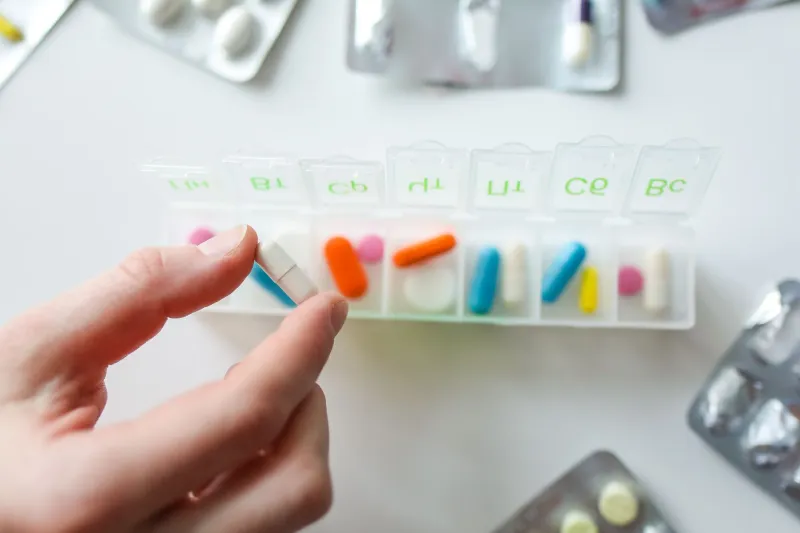
Forgetting whether you have already taken your daily medication is one of the most common—and underestimated—errors in self-managed care. The consequences range from missed therapeutic benefit to dangerous accidental double dosing, yet the underlying cognitive mechanisms are rarely explained to patients. This article examines why medication memory lapses happen, who is most vulnerable, and which evidence-based tools reliably close the gap.


Silent Depletions: What Your Daily Medications May Be Doing to Your Nutritional Status
Patient Education

Silent Depletions: What Your Daily Medications May Be Doing to Your Nutritional Status

Millions of Americans take prescription medications without realizing that certain drugs systematically deplete the body of essential vitamins and minerals. Understanding which nutrients are at risk—and what the evidence supports in response—is an increasingly important dimension of comprehensive medication management. This article examines the science of drug-nutrient depletion and what patients can realistically do about it.

Why Your Brain Is Working Against Your Prescription: The Neuroscience of Missed Doses
Patient Education

Why Your Brain Is Working Against Your Prescription: The Neuroscience of Missed Doses

Even highly motivated patients routinely forget their medications—not out of carelessness, but because of how human memory, stress, and illness interact with daily routine. This article examines the cognitive science behind missed doses and presents evidence-based strategies that go far beyond a simple phone alarm.

When Your Mind Undermines Your Medicine: The Hidden Link Between Emotional Health and Drug Efficacy
Patient Education

When Your Mind Undermines Your Medicine: The Hidden Link Between Emotional Health and Drug Efficacy

Chronic stress and anxiety do not simply affect how you feel—they can fundamentally alter how your body processes the medications you depend on. This article examines the bidirectional relationship between emotional states and prescription effectiveness, and offers evidence-based strategies for patients seeking to protect their treatment outcomes.

Two Bottles, Two Worlds: The Stark Regulatory Divide Between Supplements and FDA-Approved Drugs
Drug Safety

Two Bottles, Two Worlds: The Stark Regulatory Divide Between Supplements and FDA-Approved Drugs

Prescription medications and dietary supplements may occupy the same pharmacy aisle, but they exist in entirely different regulatory universes. Understanding the legal framework that governs each category can help patients make far safer decisions about what they put into their bodies. This article breaks down the regulatory divide, examines real-world consequences of the gap, and offers actionable guidance for patients and providers alike.

The Last Line of Defense: What Your Pharmacist Is Really Doing When They Ask About Your Health
Drug Safety

The Last Line of Defense: What Your Pharmacist Is Really Doing When They Ask About Your Health

Before a single pill leaves the pharmacy counter, a complex web of verification checks, interaction screenings, and clinical assessments takes place—most of it invisible to patients. Understanding why your pharmacist asks detailed questions about your health history, other medications, and allergies reveals a sophisticated safety system designed to catch errors that earlier steps in the prescription process may have missed.

Same Prescription, Opposite Outcomes: Why a Safe Dose for One Patient Can Harm Another
Patient Education

Same Prescription, Opposite Outcomes: Why a Safe Dose for One Patient Can Harm Another

When two patients receive identical prescriptions and experience dramatically different results, the explanation rarely lies in the medication itself. From gut microbiome composition to hormonal fluctuations and environmental exposures, a web of biological variables quietly determines whether your medication heals or harms. Understanding these factors is the first step toward safer, more personalized care.

From Pill to Bloodstream: The Complex Journey That Determines Whether Your Medication Actually Reaches Its Target
Patient Education

From Pill to Bloodstream: The Complex Journey That Determines Whether Your Medication Actually Reaches Its Target

Swallowing a medication is only the beginning of a highly complex biological process that determines whether a drug ever reaches therapeutic levels in your body. Factors ranging from stomach acidity and intestinal transit speed to competing nutrients can significantly alter how much of a dose your body actually absorbs. Understanding these mechanisms empowers patients to make informed decisions about when, how, and with what they take their prescriptions.

Losing Ground Against Germs: What Antibiotic Resistance Means for Your Next Infection
Patient Education

Losing Ground Against Germs: What Antibiotic Resistance Means for Your Next Infection

Antibiotic resistance is no longer an abstract public health statistic—it is a clinical reality that can determine whether your next bacterial infection responds to treatment or spirals into a prolonged medical ordeal. Understanding how resistance develops, spreads, and narrows your therapeutic options is essential knowledge for any patient who relies on antibiotics. This article explains the science behind drug-resistant bacteria and offers concrete guidance on protecting the effectiveness of t

Precision Over Convenience: How Medication Timing Shapes Therapeutic Success
Patient Education

Precision Over Convenience: How Medication Timing Shapes Therapeutic Success

Most patients focus on whether they took their medication, not when they took it — but for many drugs, those two questions carry equal clinical weight. From blood pressure pills to antidepressants, the hour on the clock can determine whether a medication performs at its peak or falls frustratingly short. This article examines the pharmacological science behind timing windows and offers practical strategies for aligning your schedule with your prescription's demands.

Same DNA, Different Drug Story: What Pharmacogenomics Reveals About Personalized Medication Response
Patient Education

Same DNA, Different Drug Story: What Pharmacogenomics Reveals About Personalized Medication Response

Two people can receive identical prescriptions and experience vastly different outcomes—one finding relief, the other facing toxicity or no effect at all. The emerging science of pharmacogenomics explains why your genetic blueprint shapes how every medication behaves inside your body. Understanding this science may fundamentally change how you and your provider approach prescription decisions.

When Your Kidneys Slow Down, Your Medications Speed Up: Understanding Renal Function and Drug Accumulation
Drug Safety

When Your Kidneys Slow Down, Your Medications Speed Up: Understanding Renal Function and Drug Accumulation

Your kidneys do far more than filter water — they are the primary exit route for dozens of commonly prescribed medications, and when their function declines, even standard doses can become dangerously concentrated in the bloodstream. For the millions of Americans living with chronic kidney disease or age-related renal decline, standard dosing protocols may be quietly working against them. This article examines how renal function shapes medication safety and why routine kidney testing belongs in

Your Liver Runs the Pharmacy: How Hepatic Function Quietly Controls Drug Safety and Effectiveness
Drug Safety

Your Liver Runs the Pharmacy: How Hepatic Function Quietly Controls Drug Safety and Effectiveness

Most patients focus on their prescriptions without ever considering the organ that determines whether those medications heal or harm them. Liver function governs how drugs are processed, activated, and cleared from the body—and when that function is compromised, even correctly prescribed doses can become dangerous. Understanding hepatic metabolism is one of the most overlooked pillars of personal medication safety.

Fragmented Pharmacy Records: The Silent Threat to Your Medication Safety
Drug Safety

Fragmented Pharmacy Records: The Silent Threat to Your Medication Safety

Switching pharmacies due to insurance changes, relocation, or convenience may seem routine, but it carries serious risks that most patients never anticipate. When your medication history fails to follow you from one dispensing location to another, critical safety checks can fall through the cracks. This article examines the coordination failures inherent in fragmented pharmacy care—and what patients and providers can do to protect themselves.

Past the Date on the Label: What Expiration Stamps Actually Tell You About Your Medications
Patient Education

Past the Date on the Label: What Expiration Stamps Actually Tell You About Your Medications

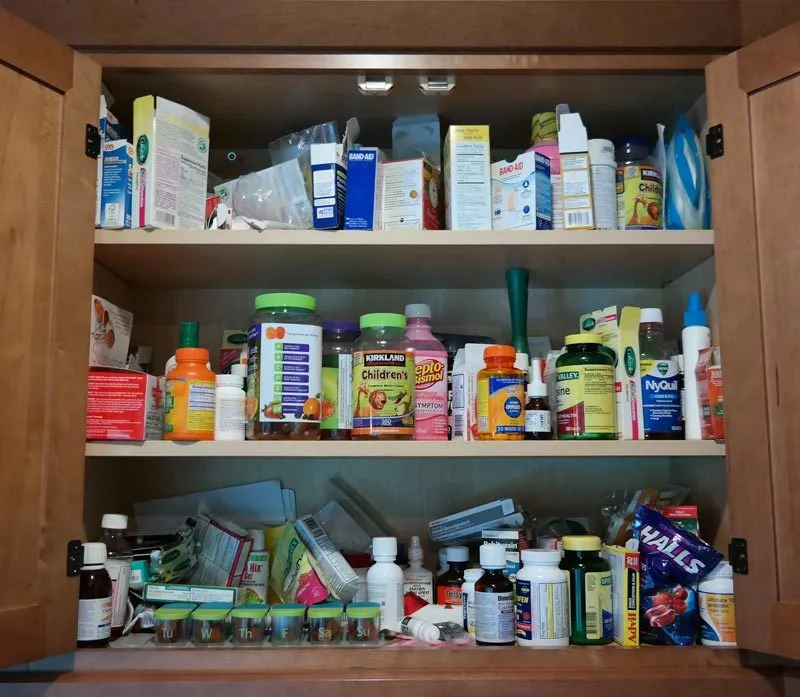
The date stamped on your prescription bottle is not a countdown to danger—it is a manufacturer's guarantee, and the distinction matters more than most patients realize. Understanding the science of drug degradation can help Americans make smarter, safer decisions about the medications sitting in their medicine cabinets. This article separates regulatory policy from pharmacological reality.

Prescribed for Your Body, Felt in Your Mind: The Psychiatric Side Effects Hiding in Plain Sight
Patient Education

Prescribed for Your Body, Felt in Your Mind: The Psychiatric Side Effects Hiding in Plain Sight

Many Americans take medications for physical conditions without realizing those same drugs may be quietly altering their mood, cognition, or emotional stability. Understanding the psychiatric side effect profiles of common non-psychiatric medications is essential for both patients and the providers who care for them. This article examines which drug classes carry the greatest mental health risk and what steps can be taken when symptoms emerge.

When Correct Becomes Harmful: The Hidden Limits of Standard Medication Dosing
Patient Education

When Correct Becomes Harmful: The Hidden Limits of Standard Medication Dosing

Following your prescription to the letter sounds like the responsible choice—and usually, it is. But for millions of Americans, standard dosing instructions calibrated to population averages can quietly cause harm, particularly when individual biology, organ function, or drug combinations shift the equation in ways no label anticipates. Understanding when 'correct' adherence may still be wrong for your body is one of the most important health literacy skills a patient can develop.

Alcohol and Your Prescriptions: A Dangerous Combination Most Patients Underestimate
Drug Safety

Alcohol and Your Prescriptions: A Dangerous Combination Most Patients Underestimate

Millions of Americans take prescription medications daily without realizing that a single glass of wine or beer could significantly alter how those drugs behave in their bodies. The interactions between alcohol and common medications range from mildly inconvenient to potentially life-threatening, depending on the drug class involved. This guide examines the mechanisms, the risk spectrum, and what patients need to discuss with their healthcare providers before raising a glass.

Drug Safety

When Your Body Fights Back: The Science of Medication Rebound and How to Stop It Safely

Discontinuing certain medications abruptly can trigger a rebound phenomenon—a physiological backlash in which symptoms return with greater intensity than the original condition. Understanding which drug classes carry the highest rebound risk, and how biological adaptation drives this response, is essential knowledge for any patient considering stopping a prescription.

Clocking Out on Drug Efficacy: What Night Shifts and Sleep Loss Do to Your Prescriptions
Patient Education

Clocking Out on Drug Efficacy: What Night Shifts and Sleep Loss Do to Your Prescriptions

For the roughly 15 million Americans who work non-traditional hours, managing a prescription is far more complicated than reading the label. Disrupted sleep cycles and irregular schedules fundamentally alter how the body absorbs, processes, and responds to medications—often with consequences that neither patients nor providers anticipate.