Two Bottles, Two Worlds: The Stark Regulatory Divide Between Supplements and FDA-Approved Drugs
A Shelf in Common, a Standard Apart
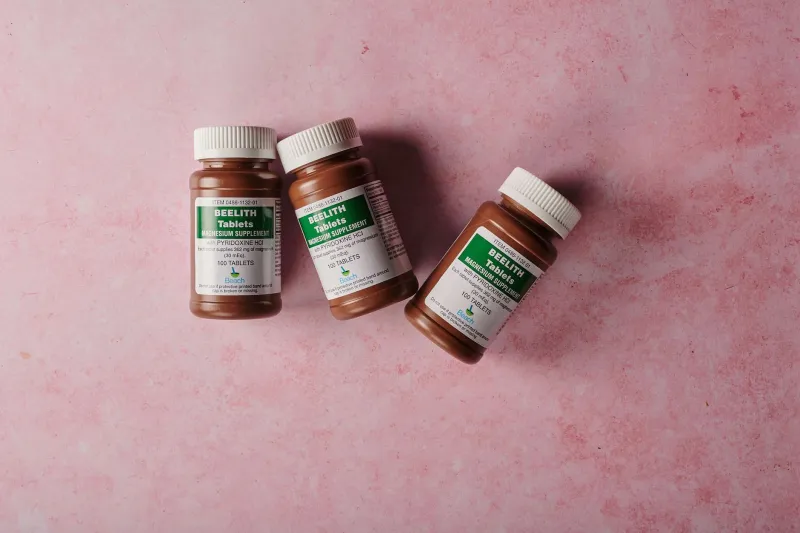
Walk into any CVS, Walgreens, or independent pharmacy in the United States, and you will likely find fish oil capsules positioned just a few feet from a pharmacist-dispensed statin. Both products carry health-related claims. Both are consumed by millions of Americans daily. Yet the scientific scrutiny applied to each before it reaches that shelf is so different that comparing them is, in many ways, comparing the regulated to the largely unregulated.
This is not a minor bureaucratic distinction. It has direct, measurable consequences for patient safety—and for the conversations that should be happening between patients and their healthcare teams.
How FDA Approval Actually Works for Pharmaceuticals
For a drug to receive FDA approval and reach the US market, the manufacturer must demonstrate, through a structured sequence of clinical trials, that the product is both safe and effective for its intended use. This process typically spans a decade or more and costs hundreds of millions of dollars. Phase I trials assess basic safety in small human populations. Phase II trials examine dosing and early efficacy signals. Phase III trials involve large, randomized, controlled studies that form the evidentiary backbone of the approval package.
Once approved, the manufacturer's obligations do not end. Post-market surveillance, mandatory adverse event reporting, and the possibility of recalls or label changes remain ongoing responsibilities. The FDA can and does withdraw drugs from the market when post-approval data reveal unacceptable risks. The entire architecture is built on the principle that the burden of proof rests with the manufacturer.
The Dietary Supplement Framework: A Fundamentally Different Legal Structure
Dietary supplements—vitamins, minerals, herbal products, amino acids, and similar preparations—are governed primarily by the Dietary Supplement Health and Education Act of 1994, commonly known as DSHEA. That legislation fundamentally shifted the regulatory burden. Under DSHEA, supplement manufacturers are not required to demonstrate safety or efficacy before bringing a product to market. The FDA bears the burden of proving a supplement is unsafe before it can take action to restrict or remove it.
In practical terms, this means a company can formulate, bottle, label, and sell a supplement without ever submitting clinical trial data to any federal agency. The FDA does maintain oversight authority—it can act against products that contain undisclosed pharmaceutical compounds, make illegal disease claims, or are manufactured under demonstrably unsafe conditions—but that authority is reactive rather than preventive.
Manufacturers are required to follow Current Good Manufacturing Practices (cGMPs) established by the FDA, which set standards for identity, purity, strength, and composition. However, enforcement of these standards has historically been inconsistent, and independent testing has repeatedly revealed that actual product contents frequently diverge from label claims.
When the Gap Has Real Consequences
The regulatory divide is not theoretical. It has produced documented harm.
In 2013, the FDA identified multiple dietary supplements contaminated with undisclosed anabolic steroids and stimulants, some of which triggered serious cardiovascular events in users who had no reason to suspect the products contained anything other than their labeled ingredients. The supplements in question were marketed as natural sports-performance enhancers.
Ephedra-containing supplements, widely sold throughout the 1990s and early 2000s as weight-loss and performance aids, were associated with dozens of deaths and hundreds of serious adverse events before the FDA ultimately banned them in 2004—a process that required years of data collection and legal challenge.
More recently, independent laboratory analyses published in peer-reviewed journals have found that a meaningful percentage of herbal supplements tested contained either none of the plant species listed on the label or significant quantities of unlisted botanical material. In some cases, those unlisted materials included substances known to interact with common prescription medications.
The Interaction Problem: Where Supplements and Prescriptions Collide
One of the most clinically significant consequences of inadequate supplement regulation is the potential for harmful interactions with FDA-approved medications. St. John's Wort, perhaps the most studied herbal supplement in this context, is a potent inducer of cytochrome P450 enzymes—the liver enzymes responsible for metabolizing a broad range of prescription drugs, including antiretrovirals, certain antidepressants, and oral contraceptives. Concurrent use can substantially reduce the therapeutic blood levels of these medications, potentially rendering them ineffective.
Because supplement use is often self-initiated and not communicated to prescribing physicians or dispensing pharmacists, these interactions frequently go undetected. A patient whose anticoagulation therapy becomes erratic may undergo extensive investigation before anyone thinks to ask whether they have been taking an herbal product.
Third-Party Certification: An Imperfect but Useful Signal
In the absence of mandatory pre-market FDA review, some supplement manufacturers voluntarily submit their products for independent quality certification. Organizations such as USP (United States Pharmacopeia), NSF International, and ConsumerLab conduct testing to verify that products contain what their labels claim and that they are free from specified contaminants. Products that pass receive a certification seal.
This third-party verification does not confirm that a supplement is effective for any health purpose. It does, however, provide meaningful assurance that the product's contents match its label and that it was manufactured under controlled conditions. For patients who choose to use supplements, selecting certified products represents a measurable reduction in one category of risk.
Questions Every Patient Should Be Asking
Healthcare providers cannot always anticipate which supplements their patients may be taking independently. This places a meaningful responsibility on patients themselves to disclose supplement use fully and to approach purchasing decisions with the same critical framework they would apply to any medication.
Before adding any supplement to a daily regimen, patients should consider asking their pharmacist or physician the following:
- Is there credible clinical evidence that this supplement does what it claims?
- Are there known interactions between this product and any of my current prescriptions?
- Has this specific product been tested by an independent certification organization?
- Could this supplement affect the absorption, metabolism, or excretion of any drug I currently take?
Pharmacists, in particular, are well-positioned to evaluate these questions. A thorough medication review conducted by a licensed pharmacist should include all supplements, not only prescription and over-the-counter drugs.
The Informed Patient's Responsibility
The regulatory framework governing dietary supplements in the United States reflects a legislative philosophy that prioritizes market access over pre-market scrutiny. That framework is unlikely to change substantially in the near term. In the meantime, the practical safety burden falls disproportionately on consumers and their healthcare providers.
Understanding that two products sharing a pharmacy shelf may face dramatically different standards of proof is the first step toward navigating that environment safely. The second step is integrating that understanding into every conversation about personal health—with physicians, pharmacists, and with yourself.
At ClevitraDB Health, our commitment is to provide the kind of transparent, evidence-grounded information that equips both patients and providers to make decisions rooted in science rather than marketing. When it comes to what you put in your body, the label is only the beginning of the story.