Your Liver Runs the Pharmacy: How Hepatic Function Quietly Controls Drug Safety and Effectiveness

Photo by Photo by julien Tromeur on Unsplash on Unsplash
When a pharmacist counsels a patient on a new prescription, the conversation typically covers dosing schedules, common side effects, and food interactions. What rarely comes up—despite its profound clinical relevance—is the role the liver plays in determining whether that medication will work at all, and whether it might cause harm in the process. Hepatic metabolism is the silent governor of drug efficacy, yet most Americans filling prescriptions each year have little to no awareness of how their liver's condition shapes every dose they swallow.
What Hepatic Metabolism Actually Means
The liver is not merely a detoxification organ in the colloquial sense. It is a sophisticated biochemical processing facility, housing a network of enzymes—most notably the cytochrome P450 (CYP450) family—that chemically transform drugs after absorption. This transformation serves several purposes: converting inactive prodrugs into their active therapeutic forms, breaking down active compounds into metabolites that can be excreted, and neutralizing substances that would otherwise accumulate to toxic concentrations.
Consider a common example. Codeine, prescribed for pain relief, is itself pharmacologically inert until the liver's CYP2D6 enzyme converts it into morphine. Without that enzymatic step, the patient experiences no pain relief. Conversely, if that same enzyme is overactive—a genetic variation present in a meaningful segment of the population—the conversion happens too rapidly, producing morphine concentrations that can dangerously suppress respiratory function. Same pill, same dose, radically different outcomes depending on hepatic enzyme activity.
This is not an edge case. It is the biochemical reality underlying every oral medication a patient takes.
When the Liver Is Compromised: The Risk Landscape Shifts
Hepatic impairment arrives in many forms, and not all of them announce themselves with obvious symptoms. Nonalcoholic fatty liver disease (NAFLD) affects an estimated 80 to 100 million Americans, making it the most prevalent chronic liver condition in the country. Many of those individuals have no idea their liver function is diminished. Cirrhosis, alcoholic liver disease, viral hepatitis, and even certain autoimmune conditions can progressively erode the liver's metabolic capacity—often well before standard blood panels flag a clinical problem.
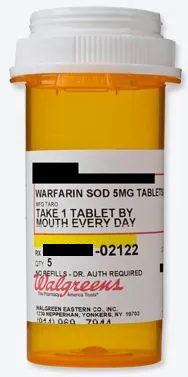
When the liver's processing capacity declines, drugs that would normally be cleared efficiently begin to linger. Half-lives extend. Blood concentrations climb beyond therapeutic thresholds. What a prescriber calculated as a safe, effective dose based on population averages becomes an overdose in the context of a compromised liver. This phenomenon is particularly dangerous with narrow therapeutic index medications—drugs like warfarin, lithium, certain antiepileptics, and immunosuppressants—where the margin between a therapeutic and a toxic dose is razor thin.
Equally concerning is the opposite failure mode. Some medications require hepatic activation to produce any clinical effect. In patients with impaired liver function, these prodrugs may remain inert, leaving a condition untreated while the patient and provider assume the medication is working.
Age, Lifestyle, and the Gradual Metabolic Decline
Liver function does not exist in a static state. It changes across a lifetime in ways that have direct pharmacological consequences. In adults over 65, hepatic blood flow decreases by as much as 40 percent compared to younger adults, and enzyme activity diminishes alongside it. This is one of the principal reasons older patients are disproportionately represented in adverse drug event statistics—their livers are processing medications at a fraction of the efficiency assumed when standard adult doses were established.
Obesity accelerates hepatic deterioration through the pathway of NAFLD and its more severe form, nonalcoholic steatohepatitis (NASH). Chronic alcohol consumption, even at levels many patients would describe as moderate, progressively impairs enzymatic function. Certain herbal supplements—including kava, comfrey, and high-dose green tea extract—carry documented hepatotoxic potential that can compound underlying liver vulnerability. And perhaps most insidiously, some of the medications prescribed to treat common conditions are themselves metabolized in ways that stress an already-burdened liver.
The Clinical Blind Spot in Standard Prescribing
Standard prescribing practice in the United States relies heavily on population-level pharmacokinetic data. Drug dosing guidelines are calibrated against studies conducted predominantly in younger, healthy adults with normal organ function. When those guidelines are applied to a 71-year-old patient with undiagnosed fatty liver disease and a body mass index in the obese range, the assumptions underlying the dose calculation no longer hold.
Routine liver function tests—AST, ALT, alkaline phosphatase, bilirubin—provide a partial picture at best. These markers primarily reflect hepatic inflammation or damage, not metabolic processing capacity. A patient can have near-normal liver enzyme values while still exhibiting meaningfully reduced drug metabolism. More precise assessments, such as the Child-Pugh score or the Model for End-Stage Liver Disease (MELD) score used in hepatology, offer better functional insight but are rarely applied in primary care or outpatient pharmacy settings.
What Patients Can Do Right Now
The knowledge gap here is not insurmountable. Patients can take concrete steps to reduce their hepatic metabolism risk without requiring specialized testing or specialist referrals.
Disclose comprehensively. Every prescriber and pharmacist needs a complete picture of a patient's alcohol use, supplement regimen, over-the-counter medication habits, and any known liver conditions. This information directly informs safe dosing decisions.
Request a medication review with liver context. Patients with known liver conditions—even mild or early-stage ones—should explicitly ask their provider whether their current prescriptions require dose adjustment for hepatic impairment. Many drug package inserts include hepatic dosing guidance that goes unapplied simply because the provider was unaware of the patient's liver status.
Understand prodrug mechanics. If a medication is not producing the expected therapeutic effect, hepatic metabolism is a legitimate clinical variable worth raising with a provider. The absence of efficacy is not always a dosing failure—it may be a metabolic one.
Monitor for accumulation signs. Unusual fatigue, cognitive changes, unexpected side effects, or symptoms that seem disproportionate to a standard dose can all reflect drug accumulation secondary to impaired clearance. These signals warrant prompt clinical evaluation rather than passive tolerance.
Ask about CYP450 interactions. Many commonly prescribed drugs—including certain antibiotics, antifungals, antidepressants, and proton pump inhibitors—either inhibit or induce CYP450 enzymes. Adding or removing these medications can substantially alter how other drugs in a patient's regimen are processed, even without any change in liver disease status.
A More Informed Partnership With Your Provider
The liver's role in medication safety is not a niche pharmacology concern reserved for hepatologists or clinical pharmacists. It is a foundational element of safe prescribing that belongs in every patient-provider conversation involving oral medications. The patients most at risk are often those with the least visible disease—individuals whose liver impairment exists below the threshold of obvious clinical signs but well above the threshold of pharmacological consequence.
Advocating for yourself in this space does not require a medical degree. It requires awareness that the organ processing your medication is as relevant to treatment outcomes as the medication itself. Asking your provider, "Does my liver health affect how I should take this?" is not an unusual question. Given what hepatic metabolism governs, it may be one of the most important questions you can ask.
The information provided in this article is intended for educational purposes and does not constitute medical advice. Patients should consult a licensed healthcare provider before making any changes to their medication regimen.