Alcohol and Your Prescriptions: A Dangerous Combination Most Patients Underestimate
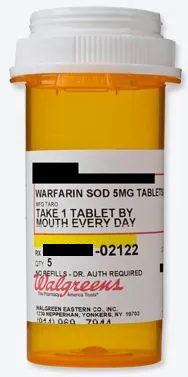
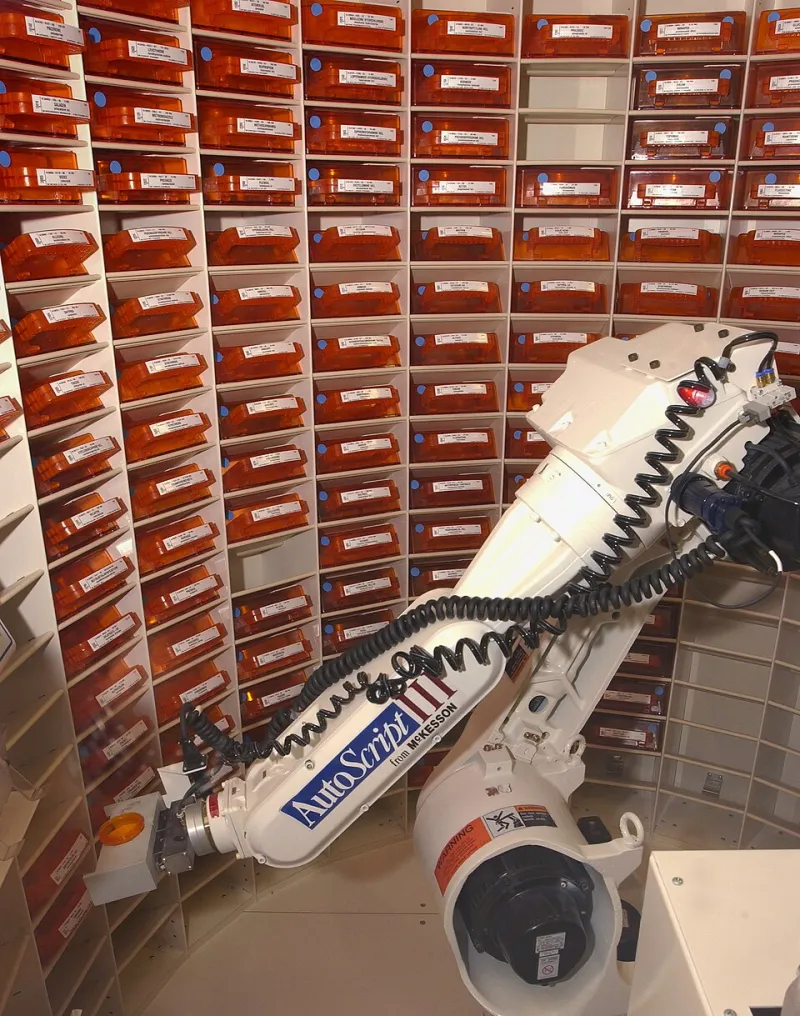
Photo: JCRules, CC BY-SA 3.0, via Wikimedia Commons
For many Americans, a glass of wine with dinner or a beer at a weekend gathering feels entirely routine. What feels less routine—and what far too few patients consider—is whether that drink is quietly working against the medications sitting on their nightstand. Alcohol is not simply a social beverage when prescription drugs are part of the picture. It is a pharmacologically active substance capable of altering drug metabolism, amplifying side effects, and, in certain combinations, triggering outcomes that can require emergency intervention.
Understanding why these interactions occur, which drug classes carry the greatest risk, and how to navigate the gray areas requires more than a quick glance at a prescription label warning. It requires a clear-eyed examination of how alcohol and medications compete—and sometimes catastrophically cooperate—inside the human body.
How Alcohol Disrupts Normal Drug Metabolism
The liver is the central processing hub for both alcohol and the majority of prescription medications. When both substances arrive simultaneously, they compete for the same enzymatic pathways, particularly those involving the cytochrome P450 enzyme system. In practical terms, this competition means that one substance will be metabolized more slowly than it otherwise would be—and that delay has consequences.
In some cases, alcohol slows the breakdown of a drug, allowing it to accumulate to higher-than-intended concentrations in the bloodstream. In others, alcohol actually accelerates metabolism, reducing a drug's therapeutic effect before it has a chance to work. Chronic heavy drinkers face a compounded problem: prolonged alcohol use can permanently alter liver enzyme activity, creating unpredictable drug responses even when the individual is not actively drinking.
Beyond the liver, alcohol also affects the central nervous system, gastrointestinal absorption rates, kidney function, and cardiovascular regulation—all systems that medications frequently target.
The High-Risk Combinations: Where the Stakes Are Highest
Blood Thinners
Anticoagulants such as warfarin represent one of the most clinically significant alcohol-drug interaction concerns. Alcohol can both inhibit and induce warfarin metabolism depending on consumption patterns, making it exceptionally difficult to maintain the stable therapeutic window these medications require. Even moderate drinking can push INR levels dangerously out of range, increasing the risk of uncontrolled bleeding. Patients on warfarin or newer anticoagulants like rivaroxaban and apixaban are generally advised to avoid alcohol entirely or limit consumption to the absolute minimum in consultation with their prescribing physician.
Central Nervous System Depressants
Benzodiazepines, opioid pain medications, sleep aids, and muscle relaxants all share a common mechanism: they depress central nervous system activity. Alcohol does precisely the same thing. The combination is not simply additive—it can be synergistic, meaning the combined effect exceeds what either substance would produce alone. Respiratory depression, profound sedation, loss of coordination, and fatal overdose are all documented outcomes of mixing alcohol with CNS depressants. This category of interaction accounts for a disproportionate share of medication-related emergency room visits in the United States each year.
Psychiatric Medications
Antidepressants, antipsychotics, and mood stabilizers interact with alcohol through several overlapping mechanisms. Selective serotonin reuptake inhibitors (SSRIs) may intensify alcohol's sedative effects and can impair judgment and motor function to a greater degree than either substance alone. Monoamine oxidase inhibitors (MAOIs), though less commonly prescribed today, carry particularly severe interaction risks with certain alcoholic beverages—especially red wine and beer—due to tyramine content, potentially triggering hypertensive crises. Lithium, commonly used in bipolar disorder management, is sensitive to fluid and electrolyte balance; alcohol's diuretic effect can precipitate lithium toxicity.
Antibiotics
The advice to avoid alcohol while taking antibiotics is so widely repeated that many patients assume all antibiotics interact dangerously with alcohol. The reality is more nuanced. Most common antibiotics, including amoxicillin and most penicillins, do not produce severe interactions with moderate alcohol consumption, though alcohol may worsen side effects like nausea and dizziness. However, certain antibiotics—most notably metronidazole (Flagyl) and tinidazole—produce a disulfiram-like reaction when combined with alcohol. This reaction causes flushing, severe nausea, vomiting, rapid heart rate, and significant discomfort. It is not life-threatening in most cases, but it is reliably unpleasant and entirely avoidable.
Diabetes Medications
For patients managing type 2 diabetes with oral medications or insulin, alcohol introduces unpredictable fluctuations in blood glucose levels. Alcohol can initially cause blood sugar to rise, followed by a delayed hypoglycemic effect—particularly dangerous because the symptoms of low blood sugar can closely mimic intoxication, making it difficult for the patient or bystanders to recognize a medical emergency. Metformin users face an additional concern: alcohol increases the risk of lactic acidosis, a rare but potentially fatal metabolic complication.
Cardiovascular Medications
Blood pressure medications, including ACE inhibitors, beta-blockers, and calcium channel blockers, can have their hypotensive effects amplified by alcohol. The result may be a sudden, pronounced drop in blood pressure—orthostatic hypotension—that causes dizziness, fainting, and an elevated fall risk, particularly in older adults. Statins, widely used to manage cholesterol, share the liver's processing pathways with alcohol, and heavy drinking while taking statins raises the risk of hepatotoxicity.
The Gray Areas: When the Answer Is Not Black and White
Not every alcohol-medication interaction falls into a clear danger category, and this is where patients and providers sometimes find themselves at odds. A patient taking a daily low-dose antidepressant may ask their physician whether an occasional glass of wine at a family celebration is truly off-limits. The honest clinical answer is often: it depends.
Factors including the specific medication, the patient's age, weight, overall liver health, the frequency and quantity of alcohol consumption, and the presence of other medications all influence the actual risk in any given situation. A healthy 35-year-old taking a standard SSRI dose faces a meaningfully different risk profile than a 68-year-old with compromised liver function taking the same drug alongside three other prescriptions.
Healthcare providers are not always consistent in how they communicate these nuances. Some err on the side of blanket prohibitions to ensure patient safety; others provide individualized guidance that accounts for realistic patient behavior. Patients who receive a flat "no alcohol" instruction without explanation may be less likely to follow it than those who understand the specific mechanism behind the recommendation.
Practical Steps for Patients
The most important action any patient can take is to have a direct, honest conversation with their prescribing physician or pharmacist before combining alcohol with any prescription medication. Pharmacists, in particular, are an underutilized resource in the United States for medication interaction questions—they are accessible, knowledgeable, and specifically trained to identify interaction risks across a patient's full medication list.
Patients should also:
- Read the medication guide and package insert thoroughly. Interaction warnings are included for a reason and represent the manufacturer's clinical findings.
- Disclose alcohol use honestly during medical appointments. Physicians cannot provide accurate guidance without accurate information.
- Be cautious with timing. Even if a provider indicates that occasional moderate drinking is acceptable, consuming alcohol immediately before or after taking a dose typically represents the highest-risk window.
- Recognize that "occasional" and "moderate" are not universal standards. What constitutes low-risk alcohol consumption varies by individual physiology and drug class.
- Never assume that because a friend takes the same medication without issue, the interaction is universally safe. Pharmacogenomics—individual genetic variation in drug metabolism—means that two people on identical regimens can respond very differently.
A Word on Over-the-Counter Medications
The interaction concern does not apply exclusively to prescription drugs. Common over-the-counter products including acetaminophen (Tylenol), aspirin, ibuprofen, and antihistamines all carry documented interaction risks with alcohol. Acetaminophen combined with regular alcohol use is a leading cause of drug-induced liver failure in the United States—a fact that remains poorly understood by the general public.
The Bottom Line
Alcohol occupies a uniquely complicated position in American social culture, and the discomfort of discussing drinking habits with a physician means that many patients simply choose not to raise the subject. That silence carries real clinical consequences. The medication-alcohol interaction landscape is not uniformly dangerous, but it is consistently more complex than most patients appreciate. Informed decisions require informed conversations—and those conversations begin with understanding that what you drink is never entirely separate from what you prescribe.