When Your Mind Undermines Your Medicine: The Hidden Link Between Emotional Health and Drug Efficacy

For most patients, the conversation about why a medication stops working centers on familiar explanations: the body built a tolerance, the diagnosis evolved, or the prescription simply needs adjusting. What rarely enters that conversation is the emotional landscape in which the drug is operating. Yet a growing body of research confirms that chronic stress, anxiety, and depression are not passive bystanders in pharmacological treatment—they are active participants capable of reshaping how a drug is absorbed, distributed, metabolized, and ultimately experienced.
Understanding this relationship requires looking at the body not as a static container for chemicals, but as a dynamic biological system that responds continuously to psychological signals.
Stress Is Not Just a Feeling—It Is a Physiological Event
When the brain perceives a threat—whether a looming deadline, a difficult diagnosis, or a persistent financial burden—it triggers the hypothalamic-pituitary-adrenal (HPA) axis, flooding the body with cortisol and catecholamines such as adrenaline. These hormones are designed for short-term survival. Over time, however, chronic activation of this system produces measurable changes in organ function, immune activity, and gastrointestinal behavior.
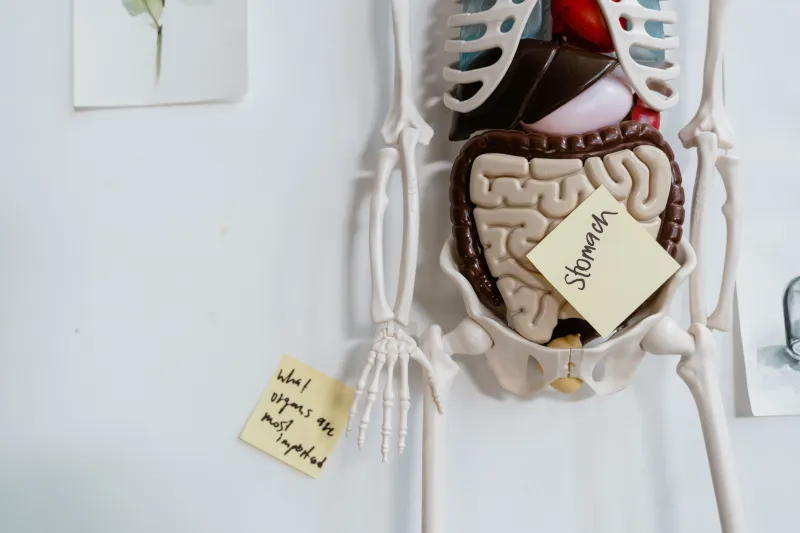
The gut, in particular, becomes a casualty of prolonged stress. Gastric motility slows or accelerates unpredictably, intestinal permeability increases, and blood flow to the digestive tract is reduced as the body prioritizes its muscles and heart. For oral medications—which represent the vast majority of prescriptions filled at US pharmacies—these changes directly affect the rate and completeness of drug absorption. A beta-blocker taken during a period of intense anxiety may behave very differently than the same pill taken during a period of relative calm.
How Cortisol Interferes With Drug Metabolism
Beyond absorption, chronic stress influences the liver enzymes responsible for metabolizing most pharmaceutical compounds. The cytochrome P450 enzyme family, which processes a wide range of medications from antidepressants to anticoagulants, is sensitive to hormonal fluctuations. Elevated cortisol levels have been shown to upregulate or suppress specific CYP enzymes depending on the drug class and duration of stress exposure, meaning the same medication can be cleared from the body too quickly—reducing its therapeutic window—or accumulate to potentially harmful levels.
For patients managing conditions such as hypertension, epilepsy, or type 2 diabetes, these metabolic shifts are not trivial. A cardiovascular drug metabolized too rapidly may leave blood pressure uncontrolled for hours each day. An anticonvulsant cleared too slowly may produce sedation or toxicity that is mistakenly attributed to the drug itself rather than the emotional context in which it is being taken.
The Paradox: Medications That Worsen the Problem
The relationship between emotional health and pharmacology runs in both directions. Certain medications prescribed for entirely unrelated conditions are known to induce or exacerbate anxiety, depression, and psychological distress. Corticosteroids, widely prescribed for inflammatory conditions, can trigger mood instability and anxiety in a significant minority of patients. Some antihypertensives, particularly older beta-blockers, have been associated with depressive symptoms. Hormonal contraceptives, fluoroquinolone antibiotics, and even proton pump inhibitors have documented psychiatric side effects that are frequently underreported or misattributed.
When a medication worsens a patient's emotional state, and that worsened emotional state in turn compromises the medication's efficacy, a feedback loop is established that can be extraordinarily difficult to identify without a deliberate clinical inquiry into both domains simultaneously. Patients caught in this cycle often report feeling that nothing is working, a perception that is pharmacologically accurate even if the prescription itself is theoretically appropriate.
Anxiety, the Placebo Effect, and Therapeutic Expectations
There is also a neurological dimension worth examining. The placebo effect—long dismissed as a curiosity—is now understood to involve real, measurable neurochemical activity, including the release of endogenous opioids and dopamine. Conversely, the nocebo effect describes how negative expectations, fear, or anxiety about a medication can produce genuine adverse outcomes in the absence of any pharmacological cause.
A patient who begins a new prescription in a state of high anxiety, convinced it will cause harm or fail to help, is not simply being pessimistic. Their psychological state is actively modulating the neurochemical environment in which the drug must operate. This is not a character flaw; it is a documented physiological mechanism that clinicians and patients alike deserve to understand.
Practical Strategies for Protecting Medication Efficacy
Recognizing the connection between emotional health and drug response opens a practical pathway for patients who want to take a more active role in their own treatment outcomes.
Communicate openly with your prescriber. If you are experiencing significant stress, anxiety, or depressive symptoms, this information is clinically relevant—not just personally significant. Your provider may adjust dosing, timing, or formulation based on what your body is actually experiencing, rather than what it would ideally be doing under neutral conditions.
Establish consistent medication routines. Stress disrupts routine, and disrupted routines lead to inconsistent dosing. Anchoring medication to a reliable daily event—a morning alarm, a meal, a before-bed ritual—reduces the likelihood that emotional turbulence will interrupt your schedule.
Address gastrointestinal symptoms proactively. Stress-related digestive changes such as nausea, bloating, or altered bowel habits can signal absorption problems. If these symptoms are present when you begin a new medication or during a period of heightened stress, report them. Your pharmacist or physician may recommend taking the medication with food, at a different time, or in an alternative formulation.
Consider evidence-based stress reduction interventions. Cognitive behavioral therapy, mindfulness-based stress reduction (MBSR), and structured relaxation techniques have demonstrated measurable effects on HPA axis activity. Reducing chronic cortisol output is not simply a wellness aspiration—it is a strategy with genuine pharmacological implications.
Monitor for psychiatric side effects of non-psychiatric medications. If you notice changes in mood, sleep, or anxiety levels after starting a new prescription, do not assume these symptoms are unrelated. Review the medication's documented side effect profile with your pharmacist or physician before attributing the change to external circumstances.
A Note for Healthcare Providers
For clinicians managing patients with complex medication regimens, the emotional and psychological context of treatment is not ancillary information—it is diagnostic data. Patients who report that a previously effective medication has stopped working, or who cycle through multiple prescriptions without adequate response, merit a careful assessment of their psychological state alongside any pharmacokinetic review. Integrating behavioral health screening into chronic disease management is not a departure from evidence-based practice; it is an extension of it.
Conclusion
The boundary between mind and body has never been as distinct as medical convention once suggested. What we now understand is that emotional states are biochemical states, and biochemical states determine how medications behave inside the human body. Stress and anxiety are not simply obstacles to wellbeing—they are physiological variables that can quietly erode the effectiveness of the prescriptions patients depend on every day.
For patients navigating chronic conditions, mental health challenges, or complex medication regimens, this knowledge is not a reason for alarm. It is an invitation to a more complete conversation with their healthcare team—one that treats the whole person rather than the prescription in isolation.