Losing Ground Against Germs: What Antibiotic Resistance Means for Your Next Infection
When the Medicine Stops Working
Not long ago, a routine ear infection, a case of strep throat, or a minor skin wound could be reliably cleared with a short course of antibiotics. For millions of Americans, that reliability is eroding. Physicians across the country are encountering bacterial infections that do not respond to first-line treatments—and in some cases, second- or third-line options as well. The culprit is antibiotic resistance, a biological phenomenon that has accelerated dramatically over the past two decades and now touches the lives of ordinary patients in ways that were once considered distant worst-case scenarios.
According to the Centers for Disease Control and Prevention, antibiotic-resistant bacteria cause more than 2.8 million infections in the United States each year, resulting in over 35,000 deaths. These are not confined to hospital intensive care units. They occur in outpatient clinics, urgent care centers, and family medicine offices. The patient sitting across from a physician today may be prescribed an antibiotic that would have cleared an identical infection five years ago—only to find that the bacteria causing their illness have since developed the biological tools to survive it.
The Biology of Resistance: How Bacteria Outmaneuver Drugs
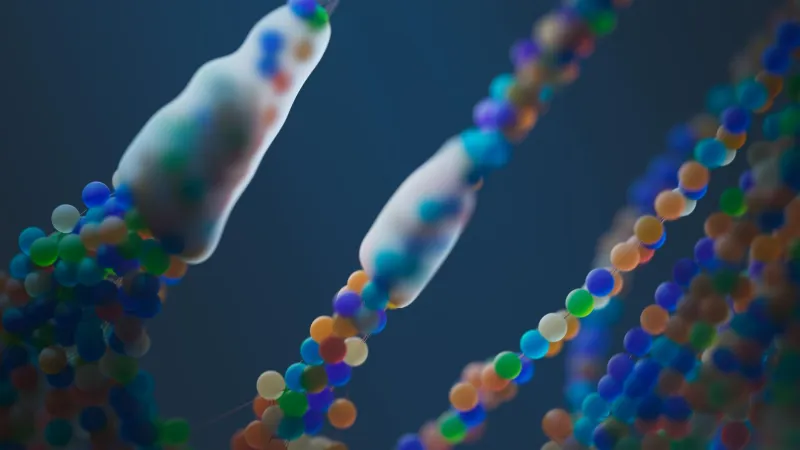
Bacteria are among the most adaptable organisms on Earth. When exposed to an antibiotic, most bacterial cells in an infection are killed. However, a small subset may carry genetic mutations—sometimes spontaneous, sometimes inherited—that allow them to survive exposure. These survivors reproduce rapidly, passing their resistance traits to subsequent generations. Over time, the resistant strain becomes dominant, not only within a single patient but across communities as resistant bacteria spread through direct contact, contaminated surfaces, and even food and water supplies.
Resistance mechanisms are varied and sophisticated. Some bacteria produce enzymes that chemically dismantle antibiotics before they can act. Others alter the cellular targets that antibiotics are designed to bind to, rendering the drug structurally incompatible with its intended site of action. Still others develop efflux pumps—molecular machinery that actively expels antibiotic molecules from the bacterial cell before they can cause damage. These mechanisms do not arise because of any single patient's behavior, but the cumulative prescribing and usage patterns of entire populations accelerate their emergence and spread.
The Role of Incomplete Courses and Inappropriate Use
One of the most persistent misconceptions about antibiotics is that stopping a course early once symptoms resolve is a reasonable—or even cautious—approach. In practice, it can be counterproductive. When a patient discontinues antibiotics prematurely, the most susceptible bacteria have been eliminated, but hardier, partially resistant organisms may remain. Continued exposure to sub-therapeutic antibiotic levels—levels too low to kill but high enough to exert selective pressure—creates ideal conditions for resistance to flourish.
Overuse and inappropriate prescribing compound this problem. Studies have consistently shown that a substantial proportion of antibiotic prescriptions written in outpatient settings in the United States are either unnecessary or involve the wrong drug for the condition being treated. Viral illnesses, including the common cold, influenza, and most cases of bronchitis, do not respond to antibiotics at all. Yet prescriptions for these conditions remain common, driven by patient expectations, time-pressured clinical encounters, and diagnostic uncertainty. Each unnecessary course contributes to the resistance burden without offering the patient any therapeutic benefit.
Agriculture has also played a documented role. For decades, antibiotics were used in livestock production not merely to treat infections but to promote growth. This practice exposed vast bacterial populations to antibiotic compounds, accelerating resistance development in ways that eventually crossed into human medicine. Regulatory reforms have reduced but not eliminated this practice in the United States.
What Resistance Looks Like From a Patient's Perspective
The consequences of antibiotic resistance manifest in ways that patients may not immediately connect to this broader phenomenon. A urinary tract infection that does not clear after a standard five-day course. A skin infection requiring multiple rounds of treatment, or hospitalization for intravenous antibiotics. A post-surgical complication that proves difficult to control. A child's ear infection that fails two consecutive antibiotic regimens.
In more severe cases, infections caused by organisms such as methicillin-resistant Staphylococcus aureus (MRSA), carbapenem-resistant Enterobacteriaceae (CRE), or drug-resistant Clostridioides difficile can require prolonged hospitalization, toxic treatment regimens, and carry meaningful mortality risk. These are not hypothetical scenarios. They are documented outcomes occurring in American hospitals and communities today.
For patients with compromised immune systems—those undergoing chemotherapy, living with HIV, or taking immunosuppressive medications following organ transplantation—the erosion of antibiotic effectiveness poses an especially serious threat. Many of the medical advances that depend on reliable infection control could be undermined if the antibiotics that underpin them continue to lose efficacy.
Protecting Antibiotic Effectiveness: What Patients Can Do
While resistance is a population-level problem shaped by prescribing practices, agricultural policy, and global health infrastructure, individual patients have a meaningful role to play in preserving antibiotic effectiveness.
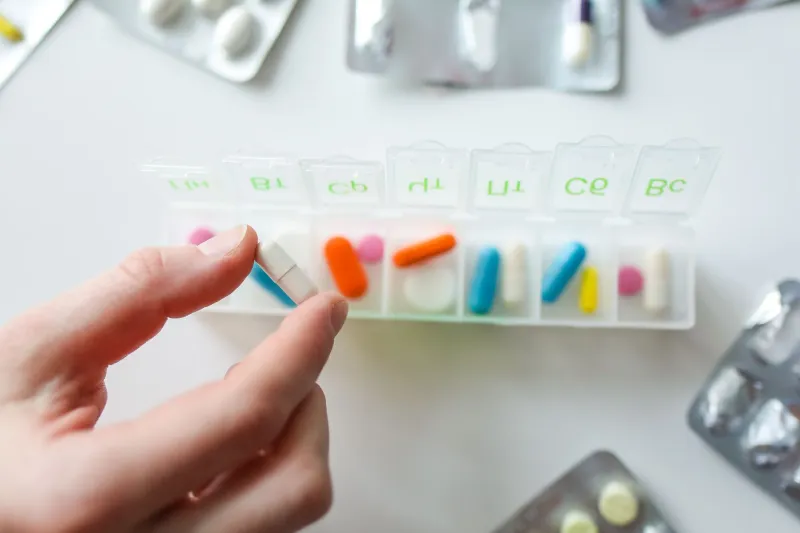
Complete every prescribed course. Even when symptoms resolve before the prescription runs out, finishing the full course reduces the likelihood that partially resistant bacteria survive to reproduce. Stopping early may feel prudent, but it can leave the most resilient organisms in place.
Do not pressure your provider for antibiotics when they are not indicated. If a clinician determines that your illness is viral in origin, requesting antibiotics anyway does not accelerate recovery and contributes to resistance. A candid conversation about why antibiotics are or are not appropriate for your specific condition is always appropriate.
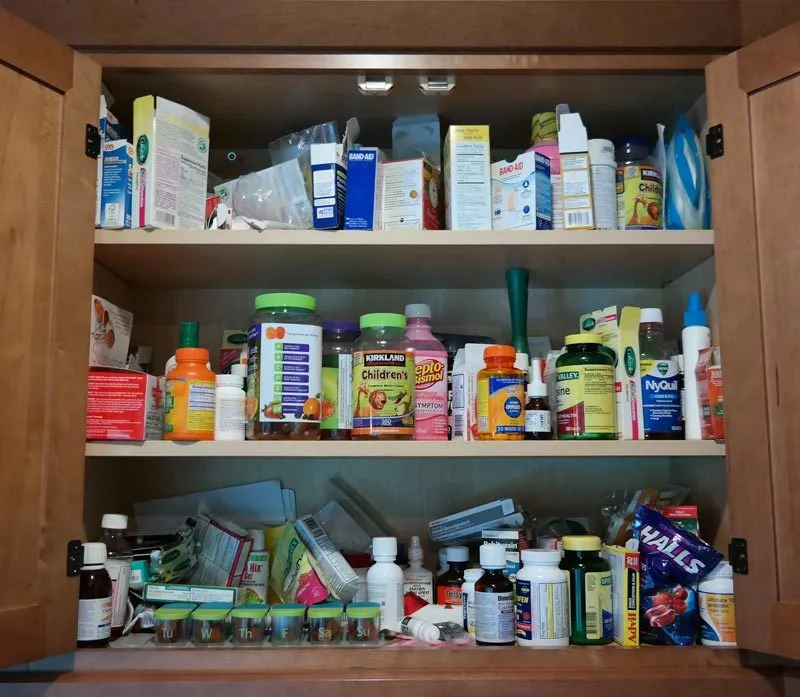
Never self-medicate with leftover antibiotics. Using antibiotics prescribed for a previous illness to treat a new one is dangerous for multiple reasons. The drug may not be appropriate for the current infection, the dosage may be insufficient, and self-diagnosis without laboratory confirmation can delay proper treatment.
Ask whether a culture is warranted. For certain infections—particularly recurrent urinary tract infections, skin infections, or respiratory illnesses that have not responded to initial treatment—laboratory culture and sensitivity testing can identify the specific organism and determine which antibiotics it remains susceptible to. This targeted approach is more effective than empirical prescribing and avoids unnecessary broad-spectrum antibiotic exposure.
Stay current on vaccinations. Preventing bacterial infections in the first place is the most direct way to reduce antibiotic use. Vaccines against pneumococcal pneumonia, whooping cough, and other bacterial illnesses reduce the demand for antibiotics and, consequently, the selective pressure that drives resistance.
A Shared Responsibility
Antibiotic resistance is sometimes framed as a distant threat—a problem for future generations or for resource-limited settings abroad. The clinical reality in the United States tells a different story. Resistance is active, local, and consequential today. The medications that your physician prescribes for a bacterial infection are drawing from a finite reservoir of effectiveness, one that is depleted each time antibiotics are misused, overused, or incompletely administered.
Healthcare providers, policymakers, and pharmaceutical researchers all bear responsibility for addressing this crisis. But so do patients. Understanding why antibiotics are prescribed selectively, why courses must be completed, and why resistance is not an abstraction but a direct threat to your personal treatment options is the first step toward becoming a more informed participant in your own care—and in the collective effort to preserve these essential medicines for the generations that will need them next.