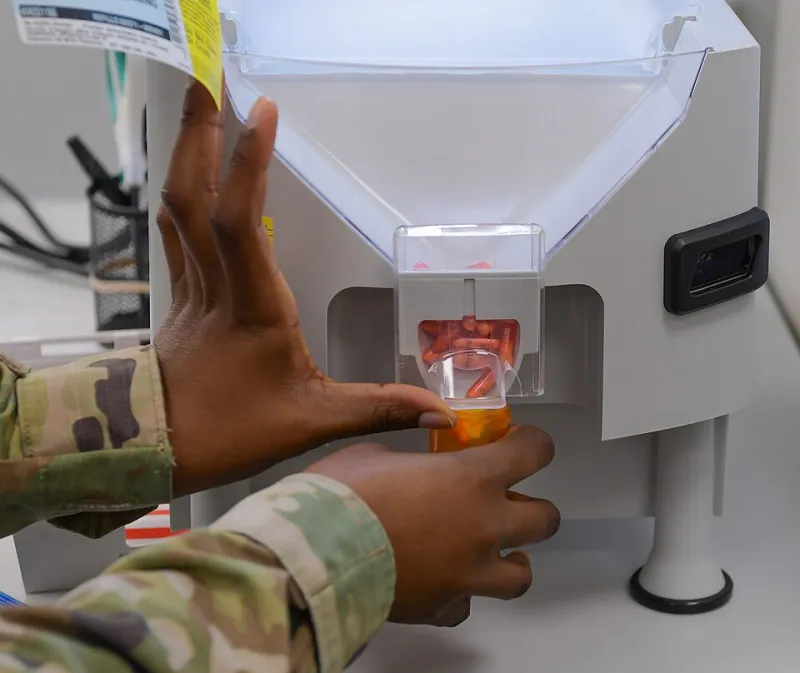
What Your Prescription Label Is Actually Trying to Tell You
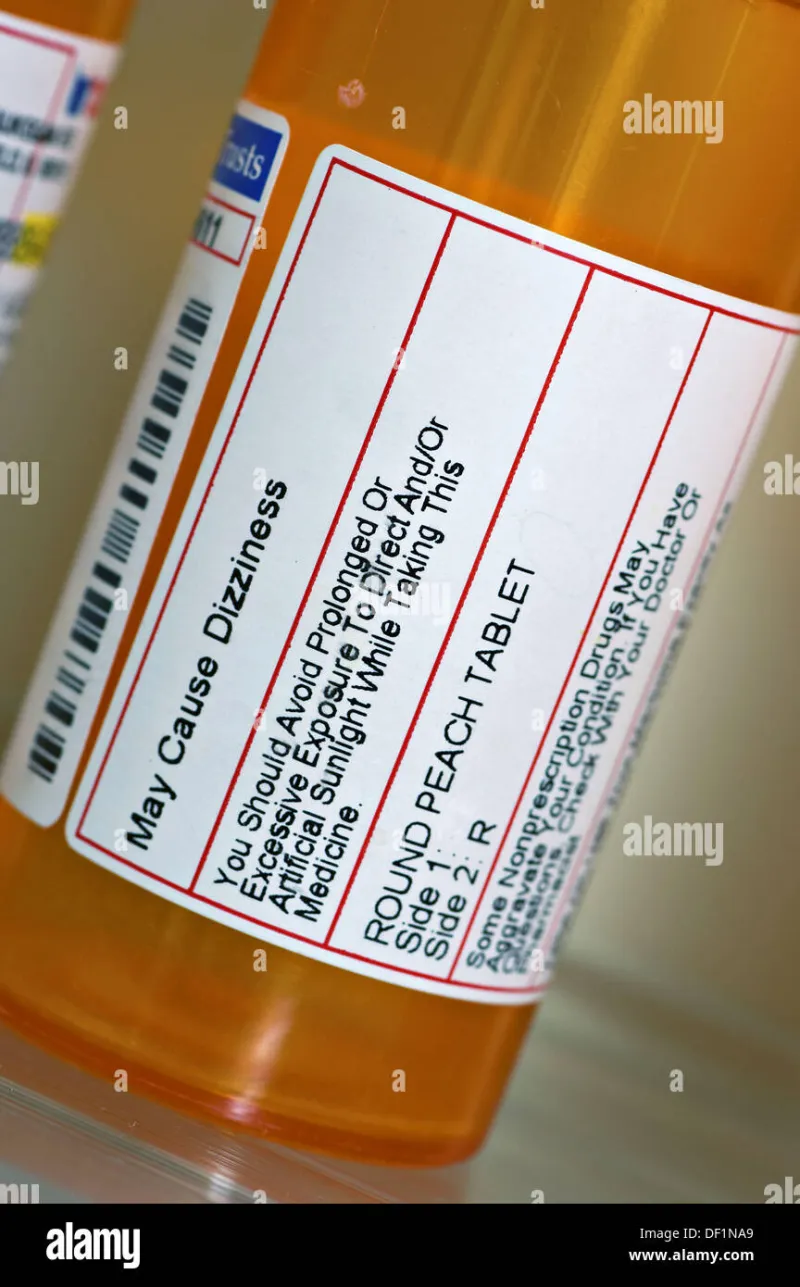
Photo: close-up prescription medication bottle label warning stickers, via c8.alamy.com
A prescription label is a dense document. In a few square inches of printed space, it must convey who the drug is for, how much to take, how often, under what conditions, and what to avoid — much of it compressed into abbreviations inherited from Latin and supplemented by a constellation of colorful warning stickers. Studies of prescription labeling consistently find that a substantial share of patients misunderstand at least one instruction on their labels. The consequences range from missed benefit to genuine harm.
Cracking the Sig: The Abbreviated Instructions
The dosing section of the label — the "sig" — descends from shorthand pharmacists have used for over a century. Common examples:
- 1 tab PO BID — take one tablet by mouth twice daily
- QHS — every night at bedtime
- AC / PC — before meals / after meals
- PRN — as needed (always paired with a purpose and often a maximum)
- QID — four times a day, which is not the same as "every 6 hours" around the clock
Modern labels increasingly use plain English, and many states mandate it, but abbreviations persist, particularly on electronic prescriptions and transfer records. If any part of the sig is unclear, the correct response is not to guess. Pharmacists report that the most dangerous interpretation errors involve timing — patients taking "twice daily" drugs at breakfast and dinner when the drug actually needs even 12-hour spacing, for instance.
The Auxiliary Stickers: Small Labels, Large Consequences
Those small colored stickers on the bottle — "May cause drowsiness," "Avoid alcohol," "Take with plenty of fluids," the image of a person next to a sun — are called auxiliary labels, and they carry clinically meaningful warnings that did not fit on the main label.
Three deserve particular attention:
- "Do not crush or chew." Extended-release and enteric-coated formulations are engineered to release drug slowly or survive stomach acid. Crushing them can dump a full day's dose into the bloodstream at once, a genuine overdose risk with certain medications.
- "Take with food" vs. "Take on an empty stomach." These are not interchangeable. Some drugs need food to prevent nausea; others need an empty stomach because food dramatically reduces absorption. Both instructions can appear on drugs in the same class.
- "Avoid prolonged sun exposure." Photosensitizing medications — a topic we have covered previously — can turn a routine day outdoors into a severe burn.
The Fine Print Worth Reading
Beyond the sig and the stickers, labels contain a patient information line, the prescriber's name, the fill and expiration dates, and often a description of the tablet itself ("white, oval, scored"). That description line is more useful than it looks: it is one of the fastest ways to catch a dispensing error. If your bottle describes a white oval tablet and you are holding blue capsules, do not take them — call the pharmacy.
Also verify before leaving the counter:
- Your name and date of birth
- The drug name and strength — watch for look-alike drug names (e.g., hydrOXYzine vs. hydrALAZINE)
- The quantity and number of refills, which should match what you expected from your prescriber
Questions That Catch Errors
Pharmacists consistently identify a short list of questions that catch problems before they start:
- "Can you walk me through how I should take this?" — forces a verbal confirmation of the sig.
- "What should I do if I miss a dose?"
- "Does this interact with anything I'm already taking?" — even supplements and over-the-counter drugs.
- "What side effect would make you want me to call?"
A Label Is a Contract
Read generously, a prescription label is a contract between you, your prescriber, and your pharmacist: a compressed set of instructions for using a powerful tool safely. Decoding it takes minutes; the payoff is fewer errors, better adherence, and a patient who can advocate for themselves at the counter. When the language fails, ask. That is precisely what the pharmacist is there for.
This article is educational and does not replace the labeling or counsel provided with your specific prescription.