Off the Label, Off the Record: The Case for Caution on Compounded GLP-1 Copycats
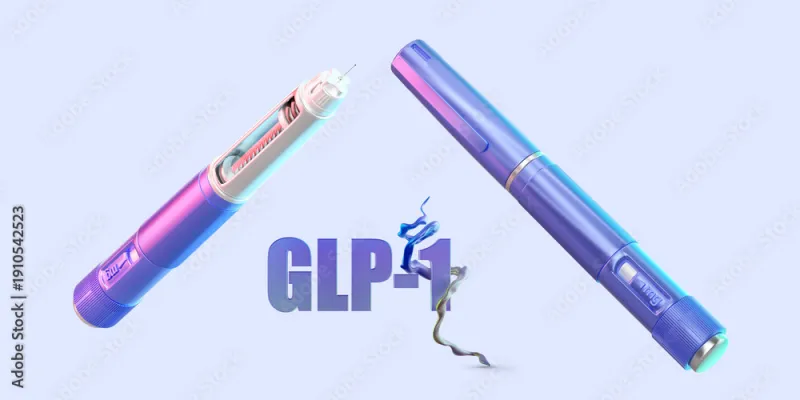
Photo: weight loss injection pen GLP-1 medication pharmacy counter, via as2.ftcdn.net
The rise of GLP-1 receptor agonists has been described as the biggest story in American medicine this decade. Ozempic and Wegovy — brand names for semaglutide — have demonstrated meaningful weight reduction and cardiometabolic benefits, and demand has been so intense that the FDA has repeatedly listed the products in shortage.
That shortage created a legal doorway. Under federal rules, when an approved drug is in shortage, compounding pharmacies may prepare copies of it. Into that doorway poured an entire industry of telehealth platforms, med spas, and online sellers offering "semaglutide" at a fraction of the brand-name price. Some operate legitimately. Others do not. And patients, understandably motivated by cost and access, often cannot tell the difference.
What Compounding Is — and Isn't
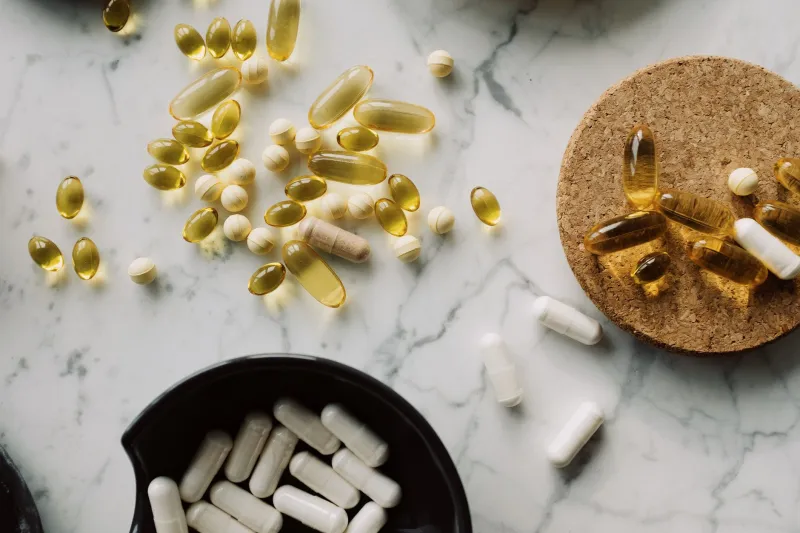
Compounding is a legitimate pharmaceutical practice: pharmacists preparing customized formulations for patients who cannot use a commercial product — an allergy to a dye, a needed alternative dosage form. It is not, however, a substitute for FDA approval. A compounded drug is not manufactured under the same rigorous controls, not verified for potency and purity batch by batch, and not reviewed for safety and efficacy by the agency.
The FDA has received adverse event reports involving compounded semaglutide, including cases involving incorrect dosing and products containing undeclared substances. Some sellers have used semaglutide salts — chemically distinct from the active ingredient in Ozempic — while marketing them as equivalent. They are not.
The Honest Trade-Off
This is where an opinion must be stated plainly: for most patients, a compounded GLP-1 copycat is a worse product than the FDA-approved original, and choosing one should be a decision made with eyes open, not an impulse purchase from a targeted Instagram ad. The lower price reflects the absence of the very safeguards that make the original trustworthy.
That said, cost is a real barrier, insurance coverage is inconsistent, and some compounded pharmacies maintain high standards. Patients who proceed should do so deliberately.
A Checklist Before You Buy
- Verify the pharmacy's license through your state board of pharmacy website; legitimate compounders are licensed and inspectable.
- Confirm a prescription is required. Any vendor selling semaglutide without a prescription is operating outside the law.
- Ask what active ingredient is used. The answer should be semaglutide base, not a salt, with a stated source.
- Ask about potency testing. Reputable compounders use third-party labs to verify concentration and sterility, and will share certificates of analysis.
- Be skeptical of unsolicited marketing, guaranteed weight-loss claims, and prices that seem implausibly low.
Questions for Your Prescriber
Before switching from a brand-name product to a compounded version, ask:
- Is the brand product currently available through a legitimate channel, including patient assistance or manufacturer savings programs?
- Do you have a specific, vetted compounding pharmacy you recommend — and why that one?
- How will we monitor my response and side effects on a product without standardized manufacturing?
- What is the plan if the shortage ends and compounded versions must stop being sold?
The last question matters more than most patients realize. Shortage-based compounding is explicitly temporary, and patients who build their treatment around it may face abrupt disruption.
Weight-loss medication can change lives. It should do so through channels that guarantee what's in the syringe. Convenience and cost matter, but in pharmacology, provenance is not a luxury — it is the product.