Seven Everyday Medications That Make Your Skin Betray You in the Sun
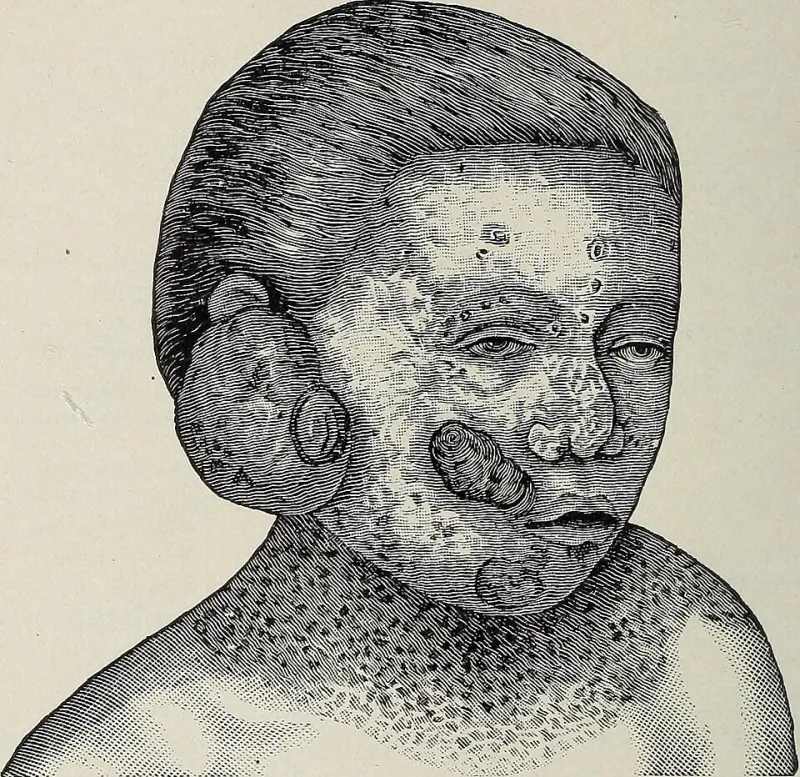
Photo: Internet Archive Book Images, No restrictions, via Wikimedia Commons
You did everything right at the beach. Sunscreen applied, umbrella up, reapplication after lunch. By evening, your arms and face are burning anyway — red, raw, stinging in a way that ordinary sunburn never feels. If you're taking certain medications, the sun was only half the problem.
Drug-induced photosensitivity affects a surprising share of patients, and because the reaction looks like severe sunburn, it is frequently misidentified. There are two distinct mechanisms worth understanding:
- Phototoxic reactions are the more common type. The drug absorbs UV energy in the skin and releases it as cellular damage — essentially an exaggerated sunburn, usually limited to sun-exposed areas, appearing within hours.
- Photoallergic reactions involve the immune system. The drug changes in sunlight and triggers an allergic response — itching, eczema-like rash, sometimes spreading beyond exposed skin. These can occur even in patients who have taken the medication for months without incident.
The Usual Suspects
1. Doxycycline. The acne and travel-medicine workhorse is arguably the most notorious photosensitizer in American pharmacies. Dermatologists routinely warn acne patients that a beach vacation on doxycycline can mean severe burns.
2. Hydrochlorothiazide. One of the most prescribed blood pressure drugs in the country, and a documented cause of both phototoxic and photoallergic reactions — as well as an elevated long-term risk of certain skin cancers in some studies.
3. Certain statins. Simvastatin and atorvastatin have been associated with photosensitivity reactions in some patients.
4. NSAIDs. Oral ibuprofen and naproxen, and especially topical ketoprofen, can cause phototoxic reactions.
5. Amiodarone. This cardiac rhythm drug causes photosensitivity so reliably that blue-gray skin discoloration in sun-exposed areas is a known long-term effect.
6. Retinoids and topical acne agents. Tretinoin and adapalene thin the skin's tolerance to UV, and benzoyl peroxide compounds the problem.
7. Fragranced and botanical topicals. Here's the surprise: lime juice, bergamot oil, and other citrus-based products in perfumes, lotions, and even margarita residue can cause "margarita burn" — phytophotodermatitis — a phototoxic reaction unrelated to any prescription.
Warning Signs Something Is Wrong
Seek medical attention if you notice:
- Burning or stinging disproportionate to your exposure, especially on the hands, face, V of the neck, or forearms
- An intensely itchy rash that appears hours to days after sun and spreads
- Blistering, swelling, or skin that feels scalded
- Reactions that recur each time you're outdoors on the same medication
A Realistic Protection Plan
You rarely need to choose between your prescription and your summer. A workable routine looks like this:
- Broad-spectrum SPF 50, reapplied every two hours — no exceptions on photosensitizing drugs, which can overwhelm ordinary SPF 30 protection
- UPF-rated clothing for extended outdoor time; fabric beats sunscreen for reliability
- Timing shifts — schedule outdoor activity before 10 a.m. or after 4 p.m. during peak months
- Lips and scalp coverage, which patients routinely forget
- A conversation with your pharmacist or prescriber — some photosensitizing drugs have alternatives, or doses can be timed to minimize risk
Never stop a cardiac or antibiotic medication because of a sun reaction without medical guidance. The rash is a signal to adapt your protection, not necessarily your prescription — but it is a signal your care team should know about.