When the Heat Index Rises, So Does Your Medication Risk: A Summer Safety Briefing
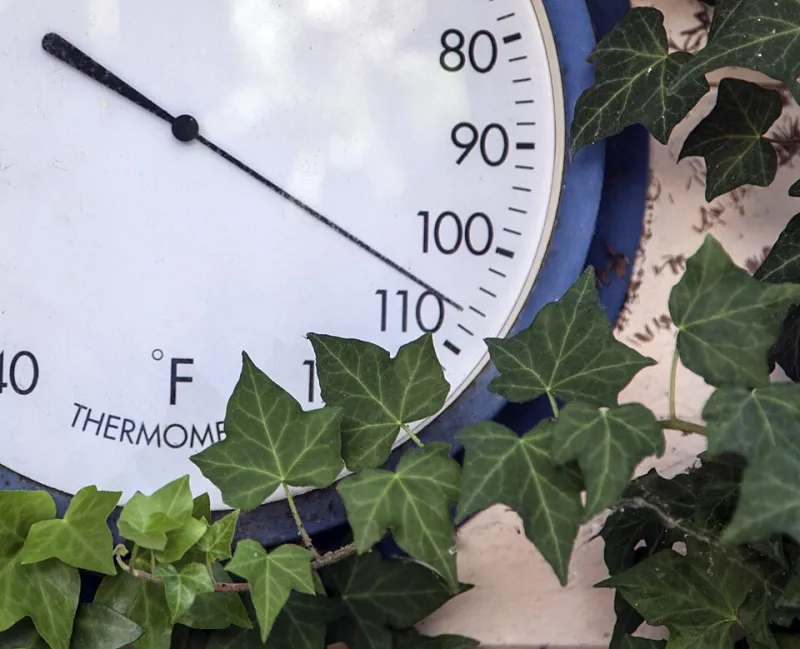
Photo: Robert Couse-Baker from Sacramento, California, CC BY 2.0, via Wikimedia Commons
Every summer, public health agencies issue heat advisories urging Americans to stay hydrated, seek shade, and check on elderly neighbors. What these warnings rarely mention is that a substantial share of the population is pharmacologically ill-equipped to handle extreme heat. For patients on common cardiovascular and psychiatric medications, a 100-degree afternoon in Phoenix or a humid 95-degree stretch in St. Louis is not merely uncomfortable — it can be physiologically dangerous.
The Body's Cooling System, and How Drugs Interrupt It
Human thermoregulation depends on two mechanisms: sweating and increased blood flow to the skin. When either is impaired, core temperature climbs rapidly, and heat exhaustion can progress to heatstroke — a medical emergency with a significant fatality rate when untreated.
Several widely prescribed drug classes interfere with one or both of these mechanisms:
- Diuretics such as furosemide and hydrochlorothiazide increase urinary fluid loss, accelerating dehydration precisely when the body needs water for sweating.
- Beta-blockers like metoprolol blunt the heart's ability to ramp up cardiac output and redirect blood to the skin, limiting heat dissipation.
- Anticholinergic medications — including bladder control drugs such as oxybutynin and certain antihistamines — can suppress sweating almost entirely.
- Tricyclic antidepressants and some SSRIs affect sweat production and, in the case of serotonergic agents, can contribute to dangerous hyperthermia in combination with heat stress and dehydration.
- Stimulants and certain antipsychotics raise baseline metabolic heat production, adding internal load to external heat.
Older adults face compounded risk: age-related declines in thirst perception, reduced sweat gland function, and a higher prevalence of the conditions these drugs treat. A retiree on a diuretic, a beta-blocker, and an anticholinergic bladder medication is managing three separate barriers to cooling at once.
The Delivery Problem: Heat-Degraded Medications
Heat does not only affect the person taking the drug — it affects the drug itself. Most prescription products are formulated and stability-tested to remain potent within a relatively narrow temperature range, generally 68 to 77 degrees Fahrenheit, with brief excursions permitted.
A closed car in July can exceed 130 degrees within an hour. A south-facing mailbox or a porch during a heat wave can easily surpass 100 degrees for hours. Insulin, certain biologics, inhalers with pressurized canisters, thyroid hormones, and nitroglycerin are among the products particularly vulnerable to thermal degradation. A degraded medication may simply lose potency, or in some cases — as with degraded insulin — become unpredictably less effective, prompting dangerous dose escalation by patients who assume their needs have changed.
Practical Steps Before the Next Advisory
Patients can reduce both categories of risk with modest planning:
- Schedule refills for early morning so packages do not sit in afternoon heat, and bring medications indoors promptly upon delivery.
- Never leave medications in a parked vehicle, including gym bags and pill organizers left in consoles.
- Ask your pharmacist which of your specific prescriptions carry heat-related warnings — this is a question many patients never think to ask.
- Do not abruptly stop a medication because of a heat warning. Instead, discuss heat-season strategies with your prescriber, which may include timing adjustments or monitoring plans.
- Watch for early warning signs — dizziness, confusion, cessation of sweating, nausea — and seek immediate care if they appear.
A Changing Baseline
Climate data from NOAA indicates that heat wave frequency and duration have increased across major US regions over recent decades. What was once an occasional July anomaly is becoming a seasonal reality in the Southwest, the Midwest, and increasingly the Northeast. Medication safety guidance written for a milder climate is due for an update, and patients are in the best position to start that conversation at their next appointment.
Heat waves are predictable. Medication-related heat emergencies, in most cases, are preventable. The gap between those two facts is where patient education matters most.